
Fermentation at Home: A Beginner’s Guide to Preserving and Flavor Development
Are you looking to step up your culinary game and add a whole new dimension of flavor to your dishes? Look no further than fermentation. This ancient technique has been used for centuries to preserve food, enhance flavors, and boost nutritional content. In this beginner’s guide, we will walk you through the basics of fermentation at home, so you can start experimenting with your own delicious creations. From sauerkraut to kimchi to kombucha, the possibilities are endless. Get ready to unleash your inner fermentation enthusiast!
The Science Behind Fermentation
At its core, fermentation is a natural process in which microorganisms such as bacteria and yeast break down sugars in food, producing beneficial byproducts like lactic acid, alcohol, and carbon dioxide. This not only preserves the food but also adds complex flavors and textures. Lactic acid fermentation, for example, is the process behind the tangy taste of yogurt, pickles, and sourdough bread. Understanding the science behind fermentation is key to successfully fermenting at home.
Fermentation Microorganisms
The key players in fermentation are the microorganisms that convert sugars into alcohol or lactic acid. For example, lactobacillus bacteria are commonly used in vegetable fermentation, while yeast is essential for brewing beer and making wine. These microorganisms thrive in anaerobic (oxygen-free) environments, which is why fermentation is typically done in airtight containers. By creating the right conditions for these microorganisms to do their magic, you can harness the power of fermentation in your own kitchen.
Getting Started with Fermentation
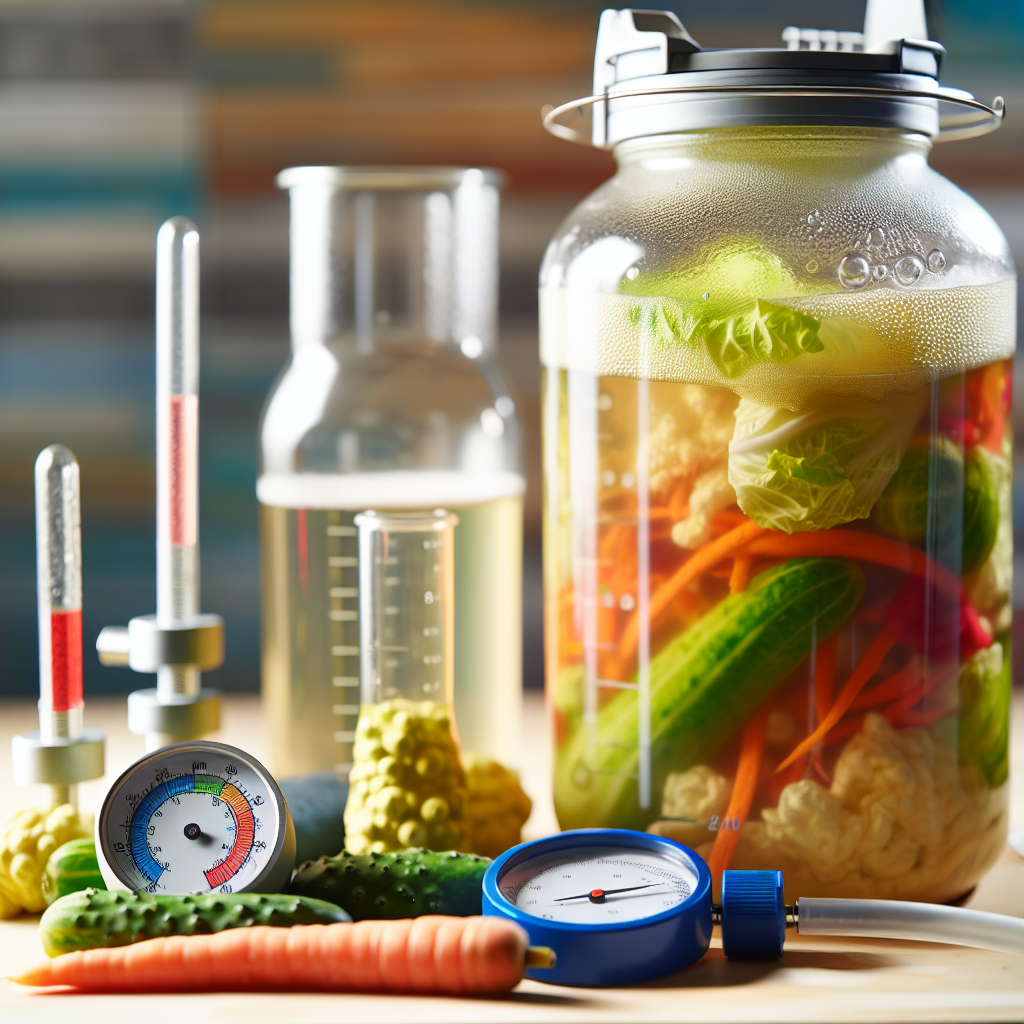
Ready to dive into the world of fermentation? The first step is to choose your fermenting vessel, whether it’s a glass jar, ceramic crock, or fermentation kit. Next, select your ingredients, whether it’s vegetables, fruits, grains, or dairy. The possibilities are endless, so feel free to get creative with your combinations. Once you have your vessel and ingredients, it’s time to prepare your fermenting mixture, pack it into the vessel, and let the microorganisms work their magic. Patience is key, as fermentation can take anywhere from a few days to several weeks.
Common Fermentation Mistakes
- Not using enough salt: Salt helps to inhibit the growth of harmful bacteria and create a safe environment for fermentation.
- Exposure to oxygen: To prevent spoilage, make sure your fermenting mixture is fully submerged in liquid and sealed tightly.
- High temperatures: Fermentation is a delicate process that requires the right environment. Avoid placing your fermenting vessel in direct sunlight or near heat sources.
Enjoying Your Fermented Creations
Once your fermentation is complete, it’s time to enjoy the fruits (or pickles) of your labor. Fermented foods can be enjoyed on their own, added to dishes for a unique flavor boost, or even turned into condiments like hot sauce or miso paste. Not only are fermented foods delicious, but they also offer a range of health benefits, including improved digestion, boosted immunity, and increased nutrient absorption. So go ahead, get fermenting, and elevate your culinary creations with the magic of fermentation!
Fermentation at Home: A Beginner’s Guide to Preserving and Flavor Development
As we wrap up our beginner’s guide to fermentation at home, we hope you feel inspired to start your own fermentation journey. From understanding the science behind fermentation to getting started with your own fermenting projects, the possibilities are endless. Remember, fermentation is a fun and creative process that allows you to experiment with flavors, preserve food, and reap the health benefits of fermented foods. So grab your fermenting vessel, choose your ingredients, and get ready to unlock a whole new world of culinary delights. Happy fermenting!