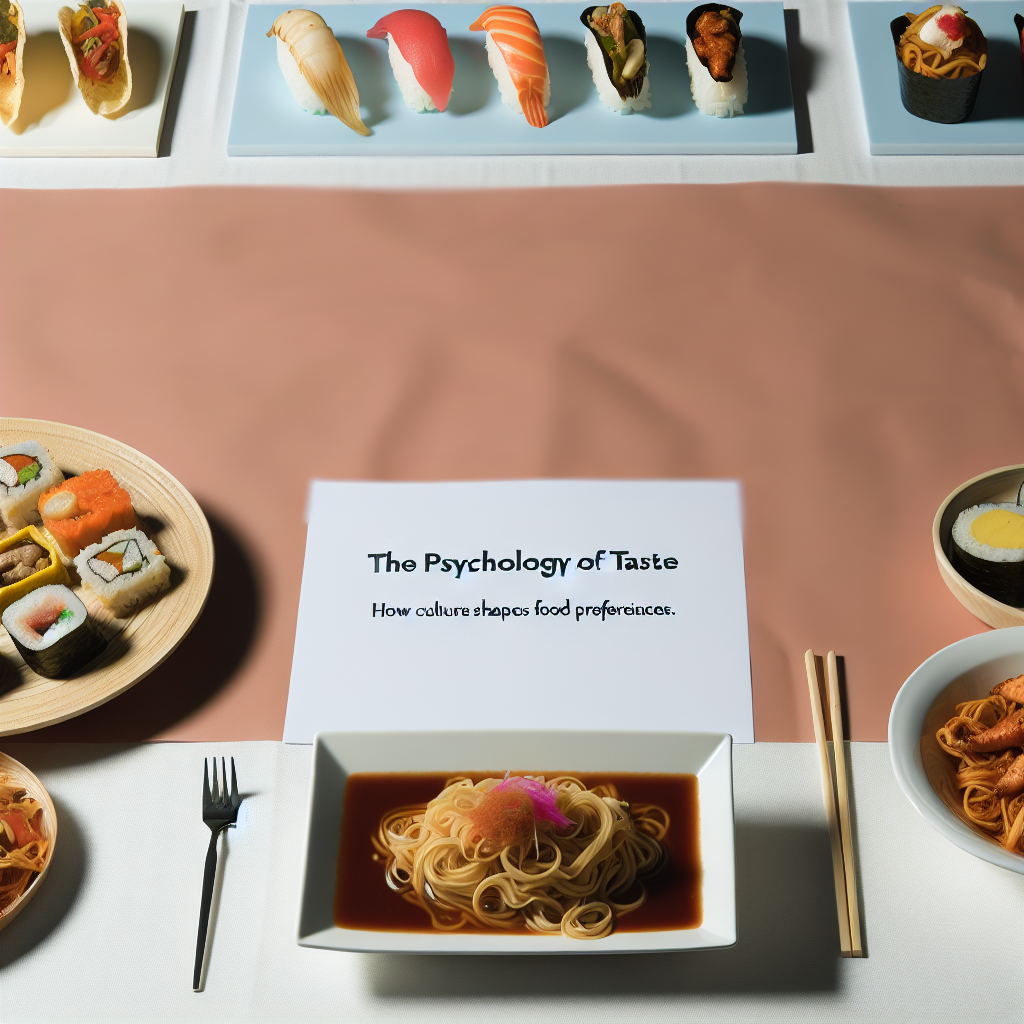

The Psychology of Taste: How Culture Shapes Our Food Preferences
Food is not just about sustenance; it is an integral part of our identity and culture. Our food preferences are shaped by a myriad of factors, with culture playing a significant role in determining what we find appetizing. The psychology of taste delves into how our upbringing, social norms, and personal experiences influence the foods we enjoy and despise.
Cultural Influences on Food Preferences
Our food preferences are deeply rooted in our cultural background. Different cultures have distinct culinary traditions and flavor profiles that influence the way we perceive taste. For example, while some cultures may prefer spicy and bold flavors, others may lean towards more subtle and savory dishes. These preferences are often passed down from generation to generation, shaping our palate from a young age.
Social Conditioning
From a young age, we are socialized to associate certain foods with positive or negative emotions. This conditioning plays a crucial role in shaping our food preferences. For example, a childhood memory of a comforting meal shared with loved ones can create a positive association with that particular dish, making it a preferred choice later in life. On the other hand, a negative experience with a certain food may lead to an aversion towards it in the future.
The Psychology of Flavor Perception
Flavor is a complex sensory experience that involves not just taste but also smell, texture, and even sound. Our perception of flavor is highly subjective and can be influenced by a variety of factors, including culture, personal experiences, and even mood. For example, studies have shown that our taste buds can be influenced by our emotional state, leading us to crave certain foods when we are feeling a certain way.
Food Memories and Emotional Connections
Our memories of past food experiences can have a lasting impact on our food preferences. Certain foods may evoke strong emotional responses, reminding us of celebrations, holidays, or even difficult times. These emotional connections can shape our preferences and influence the foods we seek out for comfort or nostalgia.
Adapting to New Tastes
While our cultural background and personal experiences play a significant role in shaping our food preferences, we are not static beings. Our tastes can evolve and adapt over time, influenced by exposure to new cuisines, travel, and the changing food landscape. By stepping out of our comfort zones and trying new foods, we can expand our palate and appreciate the diverse flavors that different cultures have to offer.
Embracing Diversity in Food
As we become more interconnected in a globalized world, we are presented with a wealth of culinary options from around the globe. Embracing this diversity in food allows us to explore new flavors, textures, and culinary traditions. By being open-minded and willing to experiment, we can enrich our food experiences and develop a greater appreciation for the ways in which culture shapes our food preferences.
Conclusion
In conclusion, the psychology of taste reveals the intricate ways in which culture shapes our food preferences. From our upbringing and social conditioning to our emotional connections and willingness to explore new flavors, these factors all play a role in determining what we find appetizing. By understanding the psychology behind our food choices, we can gain a deeper appreciation for the diversity of culinary experiences and the richness of cultural traditions that shape our gastronomic landscape.